

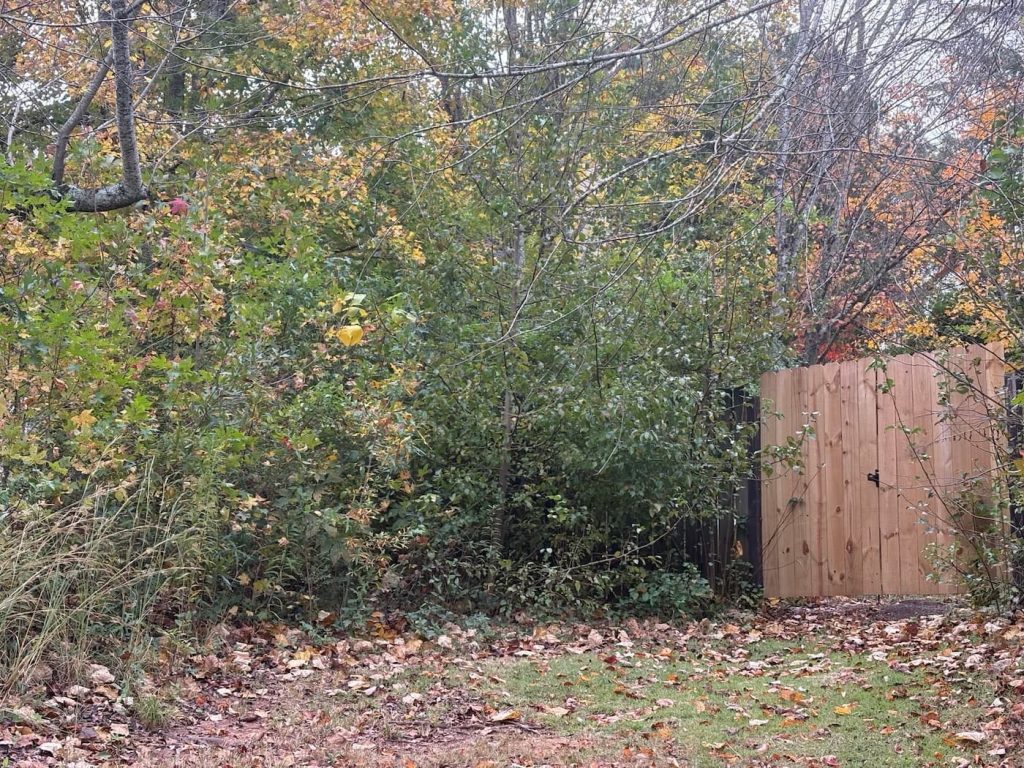
Imagine finding your dream home, but the yard is an absolute mess.
The foundation is solid. The neighborhood is great, the schools are excellent, and the commute is perfect. But the grass is knee-high, the landscaping is overgrown, and the place looks terrible.
Would you walk away?
Probably not—because you know what a mower and a trimmer can accomplish in two hours.
Of course, you’d want to investigate first. Are there rocks hiding in the grass? Is there a serious drainage problem or a fungus killing everything? You’d want to rule out the expensive, complicated problems before firing up the mower.
But if the bones are good, an ugly yard isn’t necessarily bad news.
Financial planning works much the same way.
Recently, we ran an initial financial plan for a client that showed just a 12% probability of success.
Sounds alarming, doesn’t it?
It certainly deserves our attention. But we’ve learned that an initial financial plan isn’t necessarily a prediction of the future. Sometimes it’s simply a picture of an overgrown financial yard.
And not only is that something we can work with, that’s normal.
Before worrying about retaining walls, raised garden beds, or irrigation systems, we look for opportunities to mow and trim.
Maybe it’s organizing cash flow, adjusting savings, or making a few straightforward changes to retirement assumptions and spending.
Sometimes those first improvements can dramatically change the picture.
And sometimes we uncover bigger problems that require more significant decisions.
That’s why we build the plan in the first place.
Not to scare you with a number, but to understand what’s behind it—and discover how to make it better.
Your first financial plan isn’t your doomed financial future. It’s the place where progress begins.